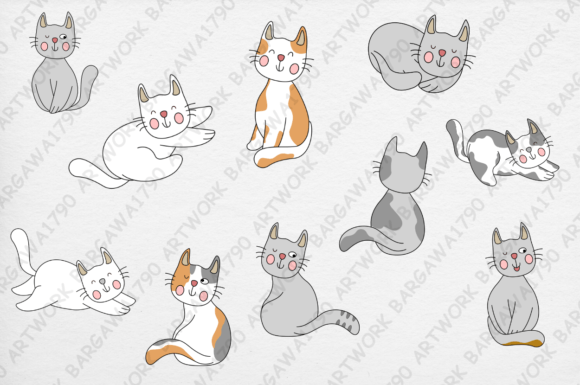
Maximizing the Potential of Cute Cat Clipart for Professional and Personal Projects
Visual storytelling has become the cornerstone of effective digital communication, whether you are designing a birthday invitation for a family member or crafting a brand identity for a new startup. Among the myriad of design assets available, Cute Cat Clipart stands out as a versatile and enduring favorite. These illustrations are not merely decorative; they serve as functional tools that can elevate invitations, cards, wallpaper, packaging, branding, websites, and social media content. However, the ease of access to digital art often leads creators to overlook critical technical and aesthetic details. Understanding how to properly select and utilize these assets is essential for achieving high-quality results without unnecessary frustration or wasted resources.
The Hidden Complexity of Digital Asset Selection
Many beginners assume that all clipart is created equal, leading to a common mistake: downloading low-resolution files that look acceptable on a screen but fail miserably in print. When you purchase a set of Cute Cat Clipart, you are investing in specific technical specifications that determine its usability. A frequent oversight is ignoring the DPI (dots per inch) rating. For web use, 72 DPI is standard, but for any physical product—such as greeting cards, packaging, or sublimation designs—you require a minimum of 300 DPI. Using a lower resolution file for print results in pixelation, blurriness, and an unprofessional appearance that can damage your brand’s credibility or ruin a personal gift.
Another significant misunderstanding involves background transparency. Novice designers often spend hours manually removing white backgrounds from images using complex software, unaware that professional asset packs include files with transparent backgrounds. This inefficiency not only wastes time but can also result in jagged edges and halos around the subject if the removal process is not executed perfectly. By choosing a set that explicitly offers PNG files with transparent backgrounds, you ensure seamless integration into any colored or patterned backdrop, maintaining the integrity of the original illustration.
Common Pitfalls in Composition and Licensing
Once the technical aspects are addressed, the next challenge lies in composition. A prevalent error is overcrowding designs with too many elements. While it is tempting to use every character and accessory in a clipart set, effective design relies on balance and negative space. When creating holiday cards or unique compositions, less is often more. Instead of cluttering the canvas, consider combining specific elements thoughtfully. For instance, pair a single expressive cat illustration with minimal text and ample white space to create a modern, clean aesthetic. This approach enhances readability and ensures the focal point remains clear.
Licensing and usage rights represent another area where creators frequently stumble. Many assume that purchasing a digital download grants unlimited commercial rights, but this is not always the case. Before using Cute Cat Clipart for client work or products intended for sale, such as sublimation t-shirts or mugs, verify the license terms. Some artists restrict the number of physical units you can produce or prohibit the use of their art in logos. Ignoring these stipulations can lead to legal complications and financial penalties. Always read the terms of service carefully to ensure your intended use aligns with the artist’s permissions.
Optimizing Workflow with High-Quality Assets
To avoid these pitfalls, adopt a strategic approach to selecting and using digital illustrations. Start by evaluating the file formats provided. A comprehensive pack should include both PNG files with transparent backgrounds and those with white backgrounds. The transparent versions are ideal for layering over photos, patterns, or colored paper, while the white background versions can be useful for quick drag-and-drop applications in word processors or basic design tools where transparency support is limited. Ensure the dimensions are sufficient for your needs; a standard size of 12 inches by 12 inches at 300 DPI provides enough flexibility for most projects, from large posters to small stickers.
When integrating these assets into your workflow, consider the end-user experience. If you are designing for social media, remember that images must be eye-catching even at small sizes. Test your compositions on mobile devices to ensure the details of the cat illustrations remain visible and engaging. For packaging and branding, consistency is key. Use the same style of clipart across all touchpoints to build a cohesive visual identity. Mixing overly realistic images with cartoonish clipart can create a disjointed look that confuses the audience.
Practical Steps for Better Design Outcomes
To ensure you make the most of your purchase, follow these practical guidelines:
- Check Resolution Early: Before starting any project, confirm that the files are 300 DPI if print is involved. This prevents last-minute scrambles to find higher-quality alternatives.
- Utilize Transparency: Always prioritize PNG files with transparent backgrounds for layered designs. This saves time and ensures a polished, professional finish without manual editing.
- Respect Licensing Terms: Review the license agreement to understand commercial usage limits. This protects your business and respects the creator’s intellectual property.
- Maintain Visual Harmony: Combine elements from the set deliberately. Avoid mixing styles that clash, and use negative space to let the illustrations breathe.
- Test Across Mediums: Preview your designs on different devices and print samples if possible. This helps identify issues with color accuracy, sizing, or readability before final production.
Furthermore, consider the versatility of the asset pack. High-quality Cute Cat Clipart can be adapted for various seasons and themes. By adding simple graphical elements like snowflakes, hearts, or balloons, you can transform a standard illustration into a holiday-specific design. This adaptability extends the value of your purchase, allowing you to create unique compositions for multiple occasions without needing to buy new assets constantly.
Making Informed Decisions for Long-Term Value
Ultimately, the goal is to enhance your creative output while minimizing friction. Purchased art should come without watermarks, ensuring that your final product looks pristine and professional. Watermarks are a sign of preview files, not final assets, so always ensure you are working with the full-resolution, clean versions provided after purchase. Compatibility with sublimation designs is another crucial factor for entrepreneurs in the print-on-demand industry. Ensure the colors in the clipart are vibrant and the lines are crisp, as sublimation printing can sometimes soften details if the source file is not optimal.
By paying attention to these details, you transform a simple download into a powerful tool for communication and commerce. Whether you are a freelancer looking to streamline your design process, a small business owner aiming to strengthen your brand, or a hobbyist creating personalized gifts, the right approach to Cute Cat Clipart makes all the difference. It is not just about finding a cute image; it is about understanding the technical and artistic nuances that turn a good design into a great one. Take the time to evaluate your needs, respect the technical specifications, and apply these insights to create work that resonates with your audience and stands the test of time.